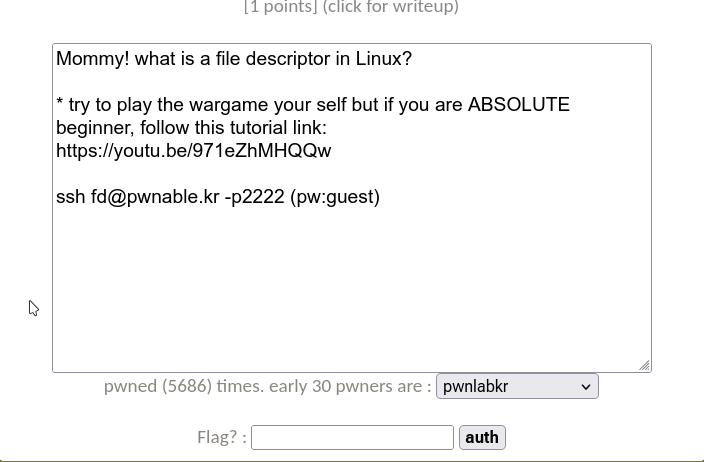
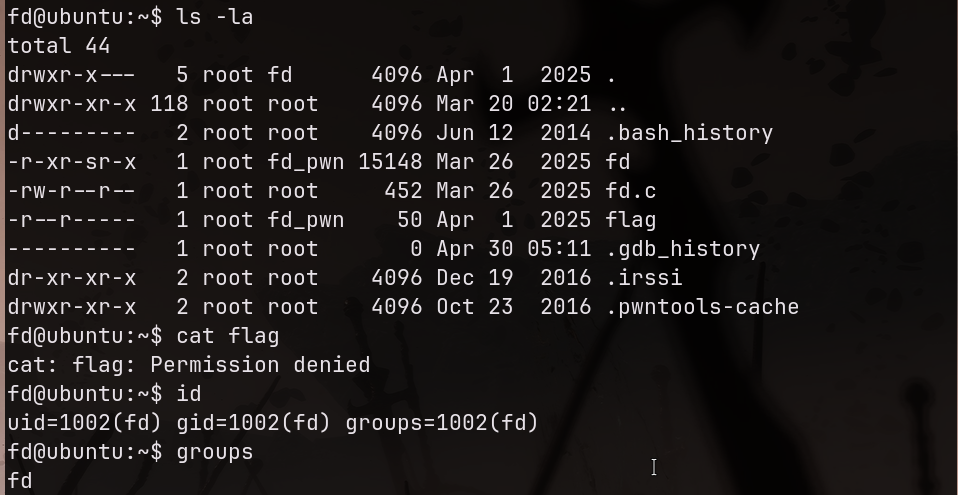
After SSHing into the server:
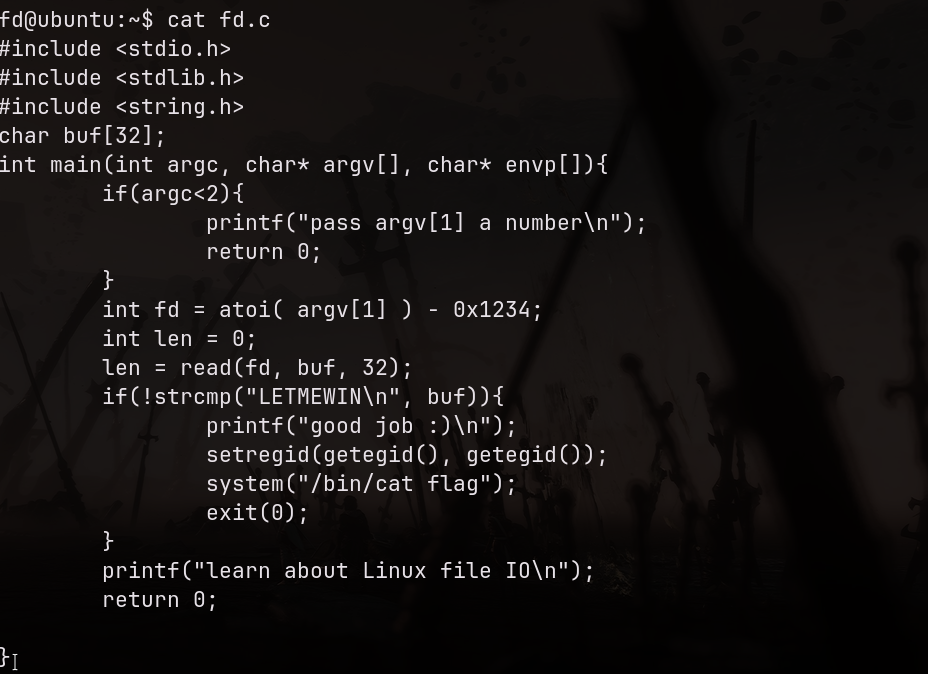
#include <stdio.h>
#include <stdlib.h>
#include <string.h>
char buf[32];
int main(int argc, char* argv[], char* envp[]){
        if(argc<2){
                printf("pass argv[1] a number\n");
                return 0;
        }
        int fd = atoi( argv[1] ) - 0x1234;
        int len = 0;
        len = read(fd, buf, 32);
        if(!strcmp("LETMEWIN\n", buf)){
                printf("good job :)\n");
                setregid(getegid(), getegid());
                system("/bin/cat flag");
                exit(0);
        }
        printf("learn about Linux file IO\n");
        return 0;

}
Let us analyze it. The first check is argc, the argument count, which must be at least 2. That means we must provide one argument when running the fd binary. Next
int fd = atoi( argv[1] ) - 0x1234;So fd is initialized with the first argument - 0x1234
But what does atoi() do?
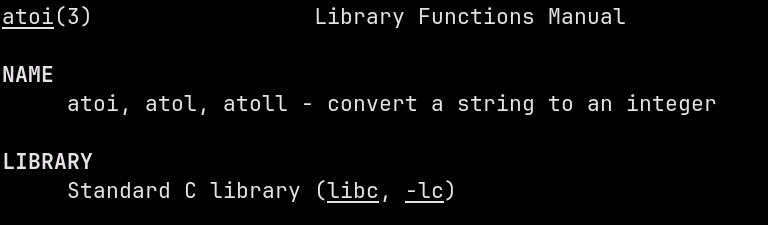
Now that is clear, let us move on to the next step.
        int len = 0;
        len = read(fd, buf, 32);
A variable len is initialized. Then read function is used to read input to buffer of exactly 32 bytes. But what is fd doing here? Let us look at the manual page for read().
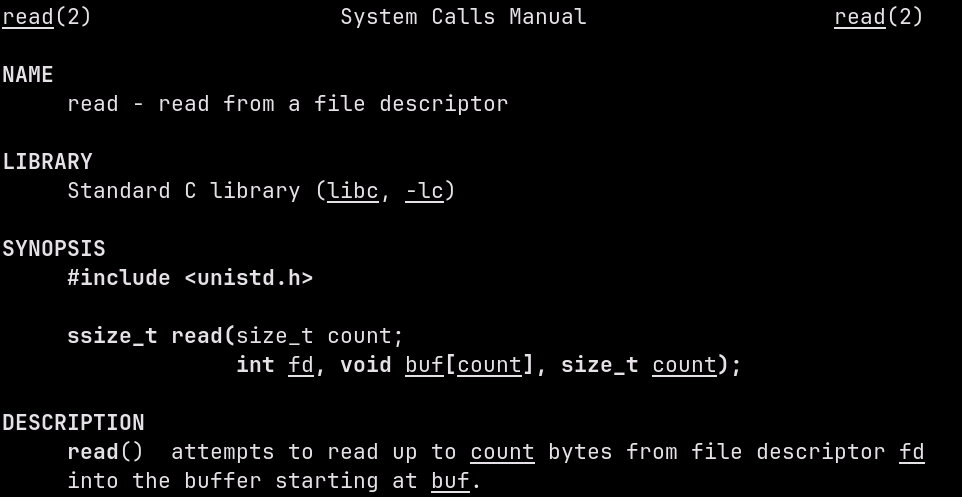
So basically fd says from which File Descriptor should the read function take input from
fd = 0 means Standard Input fd = 1 means Standard Output fd = 2 means Standard Error
Next,
        if(!strcmp("LETMEWIN\n", buf)){
                printf("good job :)\n");
                setregid(getegid(), getegid());
                system("/bin/cat flag");
                exit(0);
        }
Then strcmp() compares the input stored in buf with LETMEWIN\n. If we want to provide that input through standard input, we must set fd = 0.
For that,
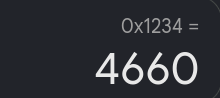
0x1234 is hex form, converting it to decimal gives 4660.
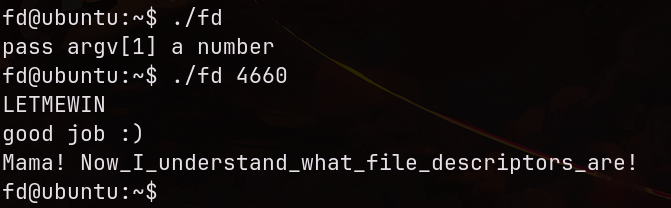 And that gives the flag.